
Cacao Ceremony
&
Ceremonial Cacao
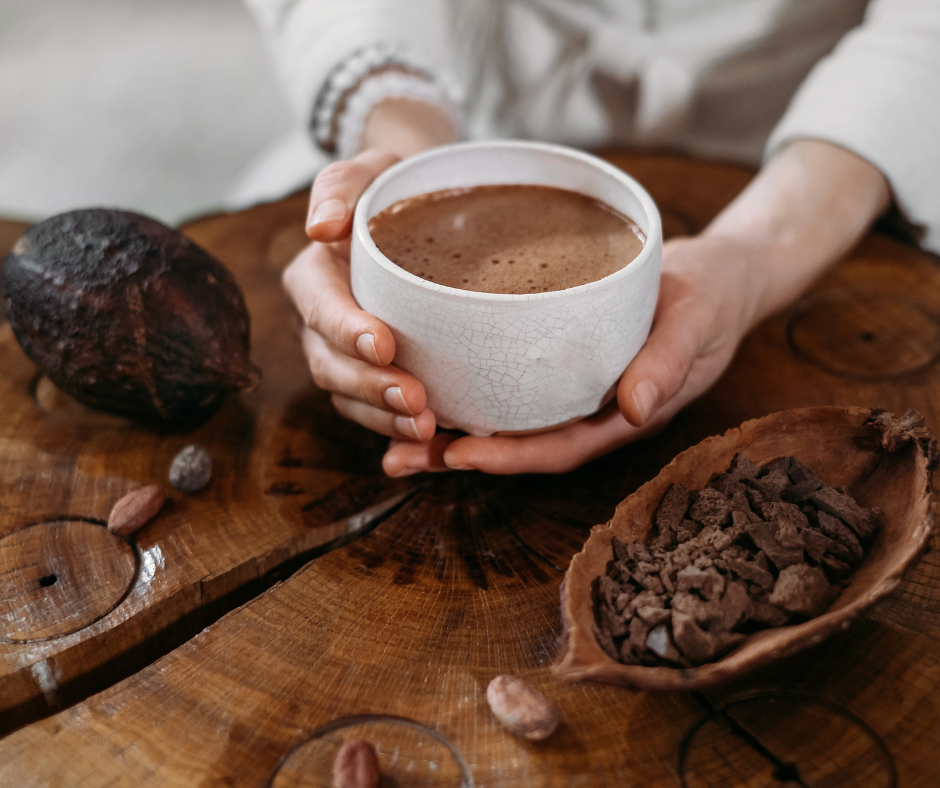
Ceremonial Cacao
What it is:
- Pure, minimally processed cacao (not cocoa powder or chocolate bars) Cacao is made from the edible seeds of the Theobroma Cacao tree. These seeds, or “beans,” as they are commonly called, are the primary ingredient in chocolate and the only ingredient in our 100% Pure Ceremonial Grade Cacao.
- I use Keith Cacao https://www.keithscacao.com/ Keith’s Cacao is lovingly handcrafted by a truly magical team from local community in San Marcos la Laguna, Guatemala. They empowered dozens of indigenous families, providing high wages, full benefits, and flexible working conditions.
- Contains no added sugars, dairy, or processing
- Higher theobromine content than regular chocolate (the heart-opening compound)
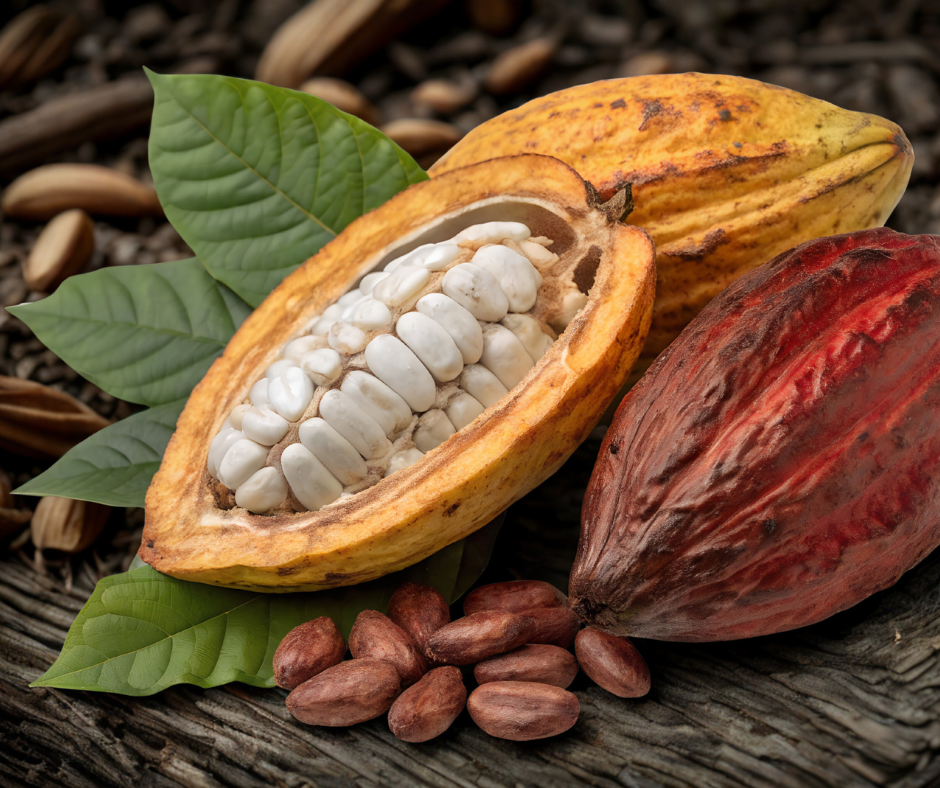
What is ceremonial (grade) cacao?
- Carefully Sourced – From non-hybridized, Criollo cacao trees in ancient tropical rainforests. Criollo means ‘native’ or ‘wild’ (sometimes called heirloom) and refers to the variety that has been grown and propagated for millennia in Central & South America. The beans are smaller and lower in caffeine than hybridized cacao.
- Minimally processed- To preserve the maximum potency of naturally occurring, highly beneficial compounds like theobromine. Overheating and machine processing reduce these compounds’ prevalence, bioavailability, and efficacy. That’s why we always toast and peel our beans by hand, not machines.
- Ideal for inner work, Ceremonial cacao works as a heart-opener, easing self-awareness and emotional processing. It’s ultra low in caffeine and high in theobromine, which gently stimulates the heart and brain for grounded, focused energy. Cacao’s bliss molecule, anandamide, boosts our mood and sense of well-being.
Active compounds:
- Theobromine – gentle stimulant, heart-opener, mood elevator (similar to caffeine but gentler, longer-lasting)
- Anandamide – “bliss molecule,” naturally occurring in cacao
- Phenylethylamine (PEA) – the “love chemical,” released when we fall in love
- Magnesium – relaxation, nervous system support
- Antioxidants – flavonoids that support overall health
Effects:
- Gentle heart-opening (emotional and physical – it’s a vasodilator)
- Increased blood flow and circulation
- Heightened awareness and presence
- Emotional release (tears, laughter, insights)
- Mood elevation without the crash of caffeine
- Grounding yet energizing
- Enhanced meditation/introspection
Cacao Ceremony - The Practice
Origins:
- Ancient Mayan and Aztec sacred practice (cacao was called “food of the gods”)
- Used in rituals, celebrations, spiritual journeys, and healing
- Traditionally prepared with intention, prayer, and reverence
- Modern ceremonies blend indigenous wisdom with contemporary healing practices
Typical Structure:
- Preparation/Opening:
- Creating sacred space (smudging, candles, altar)
- Setting intentions
- Grounding visualization/meditation.
- Cacao Preparation & Serving:
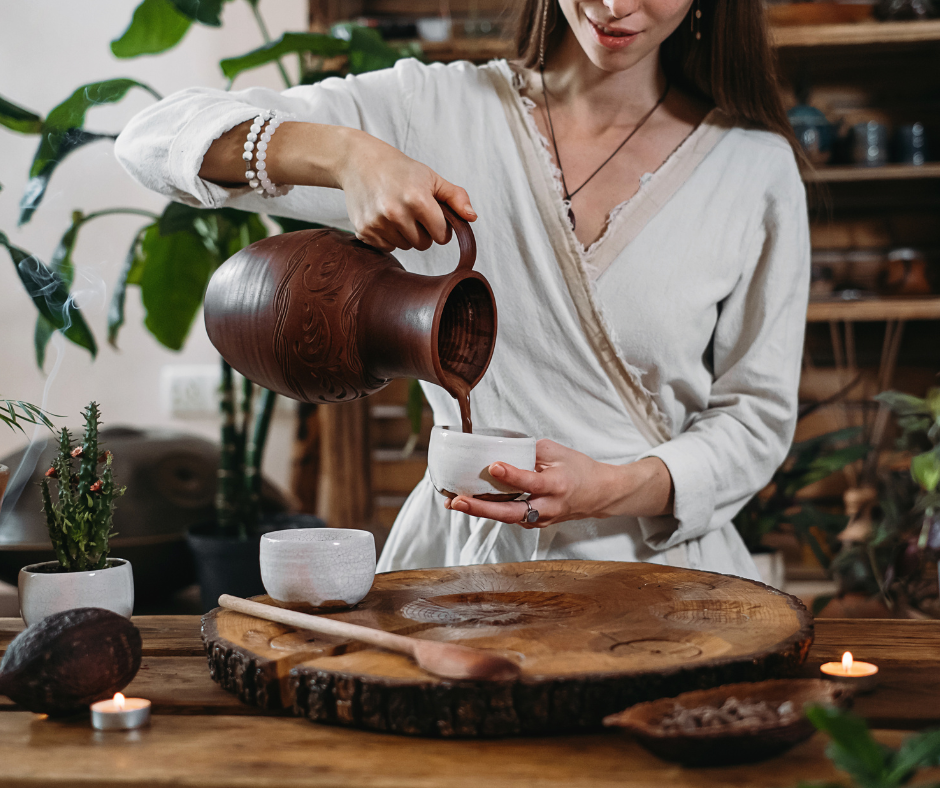
- Preparing cacao with hot water, sometimes with spices (honey, cayenne, cinnamon, vanilla)
- Blessing the cacao with intention
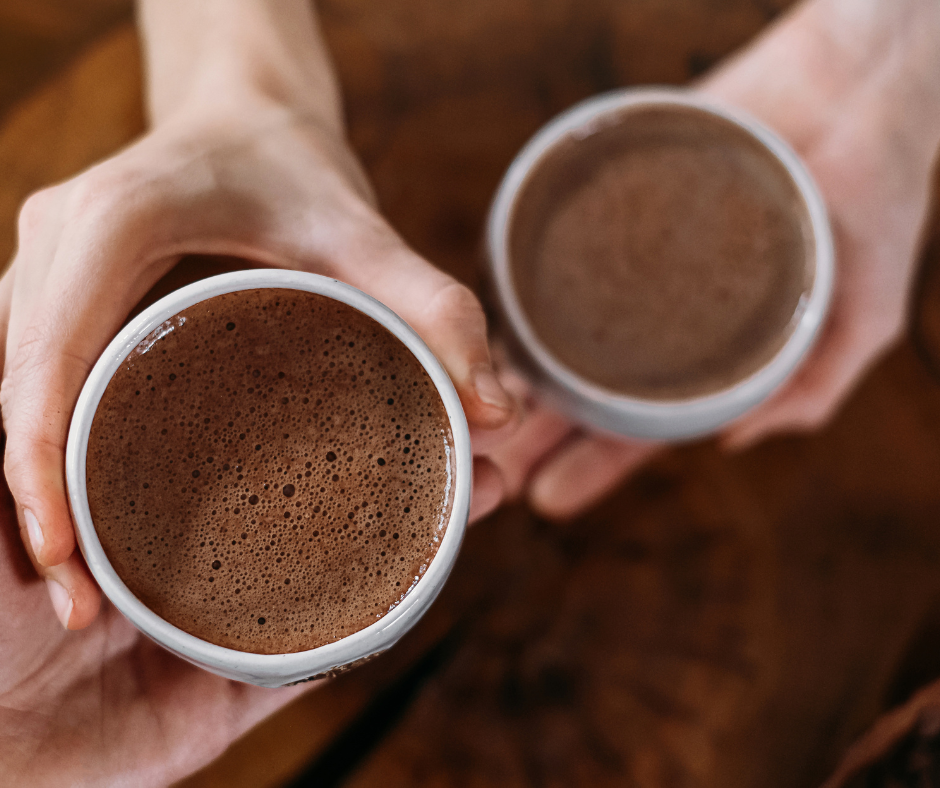
- Serving in ceremony (often passed hand-to-hand with intention)
- Drinking slowly, mindfully
- Heart-Opening Practice:
- Meditation (often heart-centered)/Guided visualization
- Music (relaxing)
- Silence and inner reflection
- Sharing circles
- Art Project (Kintsugi – Golden Cracks)
- Closing:
- Integration time
- Sharing (optional)
- Gratitude practice
- Grounding back into body/space
Why I include Cacao Ceremony at my Practices?
I think is a great gateway for emotional/relational healing work:
- Heart-opening: Cacao literally increases blood flow to the heart and metaphorically opens emotional barriers
- Safe vulnerability: Creates container for feelings to surface without overwhelming
- Embodied experience: Moves healing out of the head and into the body/heart
- Community connection: Shared experience reduces isolation (“I’m not alone in this”)
- Gentle catalyst: Not as intense as plant medicines, but still facilitates deeper access to emotions/insights
- Accessible: Non-threatening entry point for people new to “ceremonial” or “spiritual” work
Questions People Often Ask:
Most frequent questions and answers
No – it’s pure cacao (chocolate in its most whole form). Legal, non-psychoactive, non-addictive.
No – sharing should always be optional, never forced.
No – cacao is gentle. You remain fully present and in control. It’s more like deep meditation than anything psychedelic.
- Cacao ceremony opens the heart → creates receptive, vulnerable, present state
- Meditation/visualization accesses the subconscious → identifies the struggle/pattern
- Kintsugi creates the tangible transformation → embodies the healing, gives them something to hold
This is nuanced. If you:
- Acknowledge the indigenous roots with respect
- Source ethically
- Don’t claim to be doing “traditional Mayan ceremony” (unless trained by indigenous teachers)
- Focus on the healing properties and your own authentic facilitation
- Don’t profit inappropriately from sacred traditions …then you’re engaging respectfully with a practice that indigenous communities have shared as a gift for healing
- Ceremonial dose: (typically 20-42 grams) I most often do 28 grams
- Can be adjusted based on body size, sensitivity, intention
- More is not necessarily better – it’s a heart medicine, not a high.
Cacao Ceremony
&
Ceremonial Cacao
Discover new possibility
Book Consultation Call to explore how Revealed Mind Experience can help you change your life.